THE JOURNALWELLNESS
Why Reflexology Works: A Short Field Guide to Your Feet
14 JULY 2026 · 5 MIN READ · FOOT SPA CAFE EDITORIAL
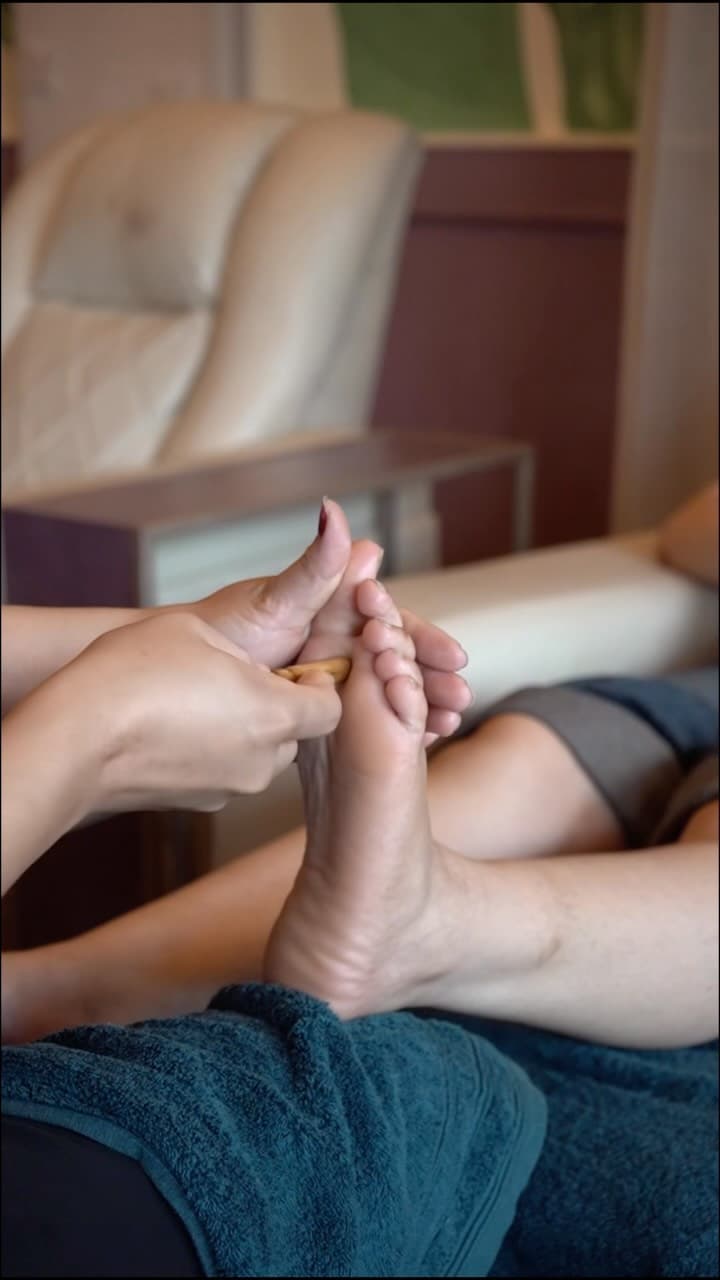
Your feet contain twenty-six bones each, thirty-three joints, and more than seven thousand nerve endings. They are the most heavily loaded structures in your body — and, for most of us, the least attended to.
The pressure map
Reflexology works from a simple observation refined over centuries: sustained, deliberate pressure on specific zones of the foot produces effects felt far beyond it. The arch corresponds with the digestive midline; the pads beneath the toes with the shoulders and neck; the heel with the lower back and hips.
Whether you read that map literally or simply as an excellent index of where tension collects, the practical result is the same. Slow pressure through these zones releases the intrinsic muscles of the foot, improves circulation through the lower limbs, and triggers the parasympathetic shift — the nervous-system change from doing to resting — that most of us struggle to reach on our own.
Why the soak matters
Every ritual at Foot Spa Cafe begins with a warm mineral soak, and it isn't ceremony. Warmth dilates surface vessels and softens the connective tissue, which means the therapist's pressure travels deeper with less force. Ten minutes in warm water is the difference between working on the foot and working with it.
What you'll feel
The first few minutes are simply pleasant. Somewhere around the second arch pass, most guests describe a distinct drop — shoulders lowering, breath slowing, the mental to-do list going quiet. That's the shift we're after. The foot was the doorway; the rest of you walked through it.
Between visits
Three small habits extend the effect: roll a tennis ball underfoot for two minutes in the evening, choose stairs with your whole foot rather than the ball only, and give your calves ten slow raises before bed. Your feet never take a day off. A little maintenance keeps them from letting you know about it.
FOOT SPA CAFE · CHANDIGARH